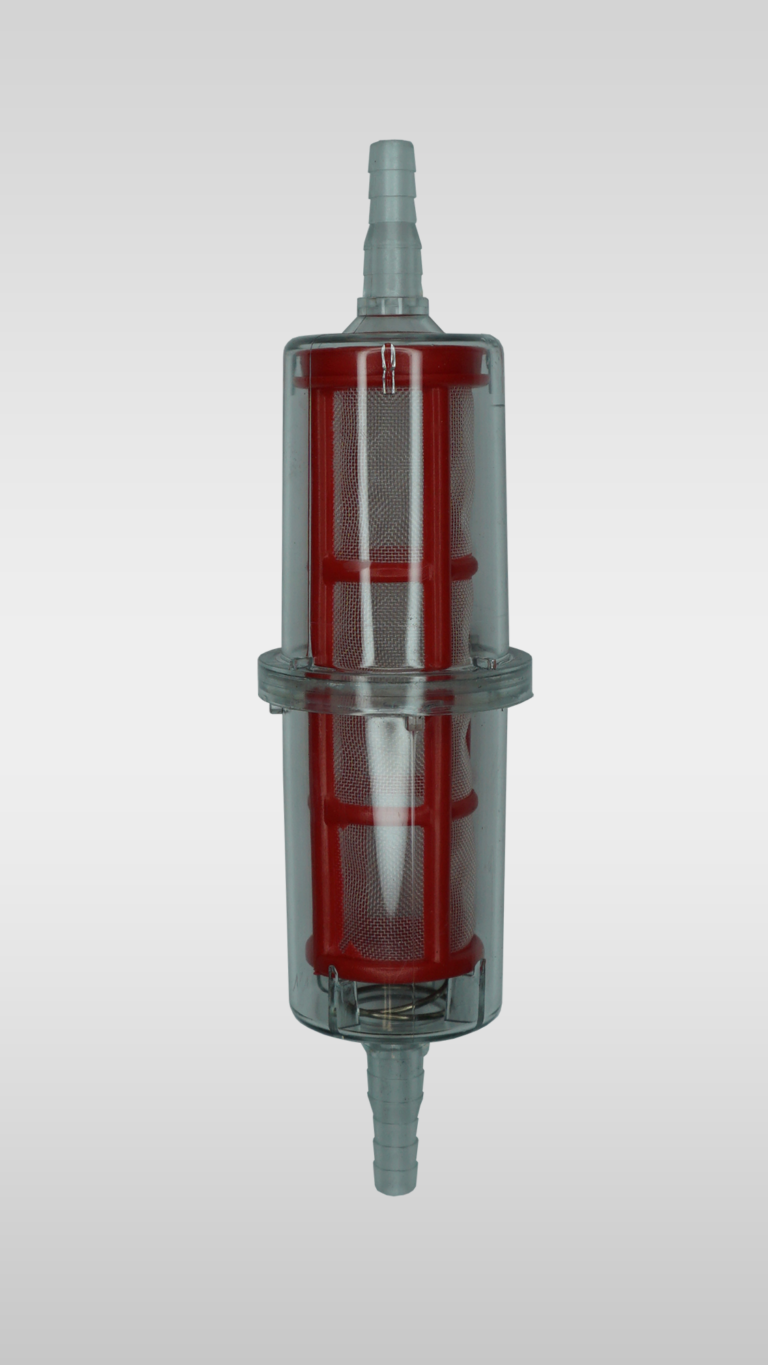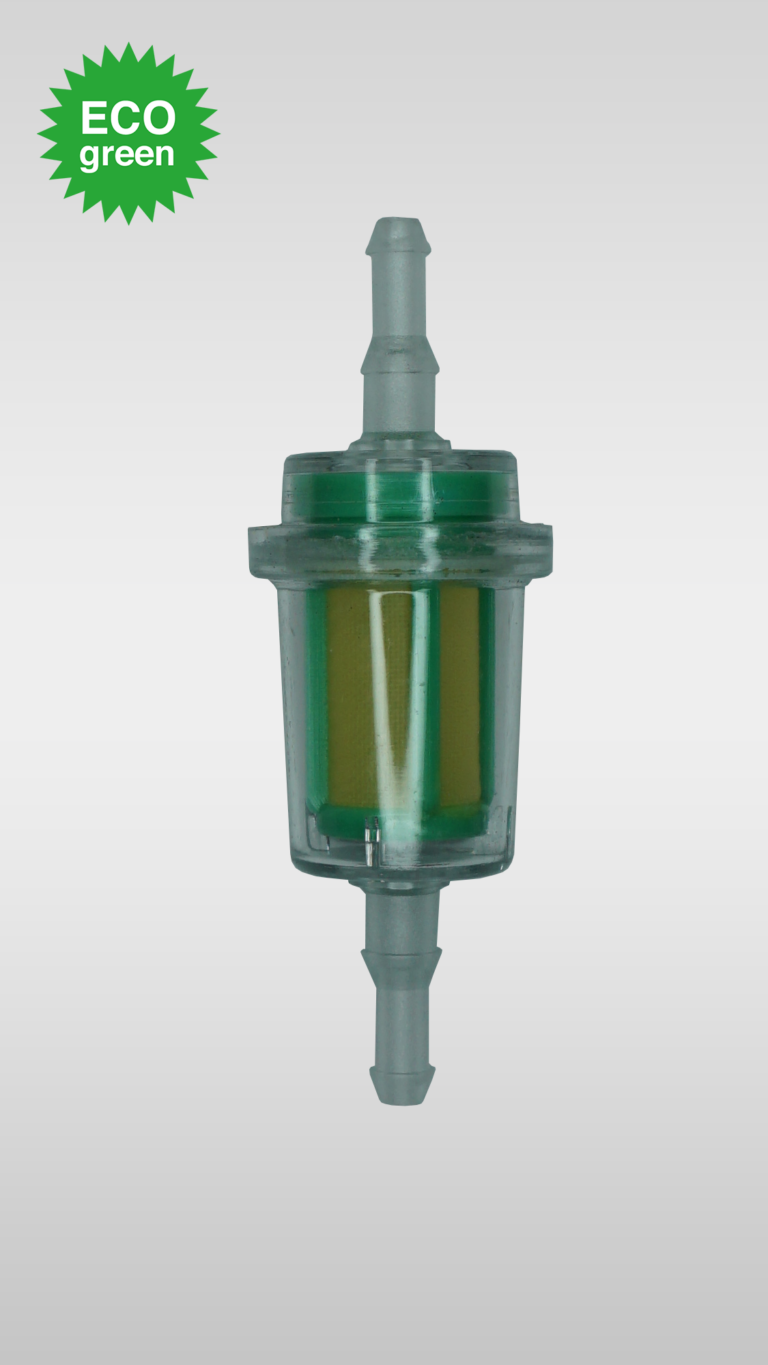
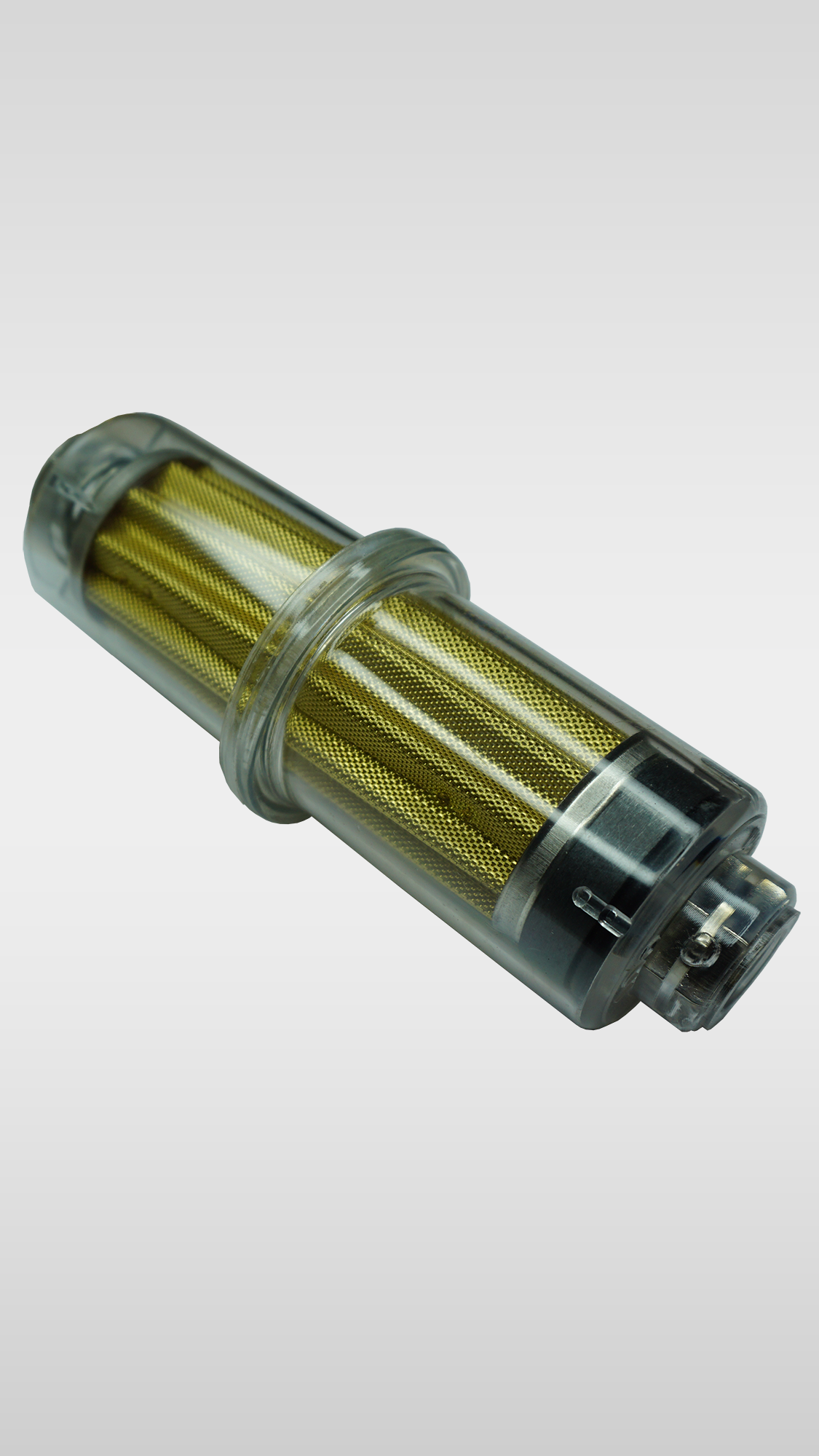
The ideal solution for capturing ferrous impurities, the magnetic filters
Hi there! Have you ever considered using magnetic filters to remove ferrous impurities from fluids? If not, now’s the time to discover how these devices can simplify process management and solve problems related to contamination by metal particles.
In this article, we’ll explore how magnetic filters work, their advantages, and how they can help improve the efficiency and lifespan of various systems while reducing operating costs.
What are magnetic filters and how do they work?
Magnetic filters are devices designed to remove ferrous particles from fluids. Inside, a powerful magnet attracts and traps metallic impurities, preventing them from contaminating the system or product. Whether it’s water, oil, fuel, or other fluids, magnetic filters are the perfect solution for capturing ferrous impurities that could cause damage or inefficiencies.
The process is simple: as the fluid passes through the filter, metallic particles are drawn to the magnet and retained, while the fluid flows through unobstructed. This ensures cleaner, protected fluids, minimizing the risk of contamination.
Ferrous impurities, such as rust particles or metals from equipment and pipes, can cause various problems. If not removed, they can degrade fluid quality, reduce system efficiency, and lead to long-term damage. In some cases, these impurities can even compromise the functionality of devices or processes relying on the fluids.

Why are magnetic filters essential?
Magnetic filters are vital for protecting fluids and systems from these damages. By effectively removing ferrous particles, these filters help maintain fluid integrity and ensure smoother, safer operations.
The benefits of magnetic filters
- Protection and durability: By removing even the smallest impurities, these devices protect components from damage caused by ferrous contaminants, extending system longevity.
- Improved efficiency: With ferrous particles removed, fluids can flow freely, enhancing the overall efficiency of processes and applications.
- Sustainability and energy savings: Improved system efficiency from magnetic filters translates to reduced energy consumption and a lower environmental impact, leading to operational cost savings.
Why skimping on magnetic filter quality isn’t worth it
Opting for a low-quality filter might seem economical, but in the long run, it could cost far more. Products with inferior quality may fail to capture all ferrous particles, risking fluid contamination or system damage. Here’s what could happen:
- Increased component wear: Unremoved ferrous particles can damage surfaces and mechanisms, reducing device durability and reliability.
- Frequent maintenance needs: Ineffective impurity removal can lead to costly repairs and replacements.
- Reduced efficiency: Systems without adequate filtration technology may experience blockages or malfunctions, compromising performance and increasing energy costs.
How to choose the right magnetic filter
When selecting this type of device, it’s important to consider two key factors to ensure it meets your needs:
- Type of fluid: Ensure the filter is designed for the specific fluid you want to treat (water, oil, fuel, etc.).
- Magnet strength: The power of the magnet is critical to ensure all ferrous particles are effectively removed. High-quality magnetic filters feature stronger magnets capable of attracting even the smallest particles.
Investing in magnetic filters for greater efficiency
These products are a reliable and efficient solution for removing ferrous impurities from fluids, helping improve system quality and longevity. With their ability to reduce maintenance costs and enhance performance, magnetic filters are an investment that pays off over time.
If you want to learn how a magnetic filter can optimize your system, contact us! We’ll be happy to help you choose the best solution for your needs